Hello Deddy: A Fresh Sans Serif Font for Editorial Design
In the world of editorial design, finding the right typeface can elevate a publication from ordinary to memorable. Hello Deddy is a premium sans serif font that brings a unique blend of casual elegance and modern readability to any project. Whether you're designing blog headers, magazine covers, or printable guides, this creative font offers a versatile foundation for visual storytelling.
Visual Characteristics and Personality
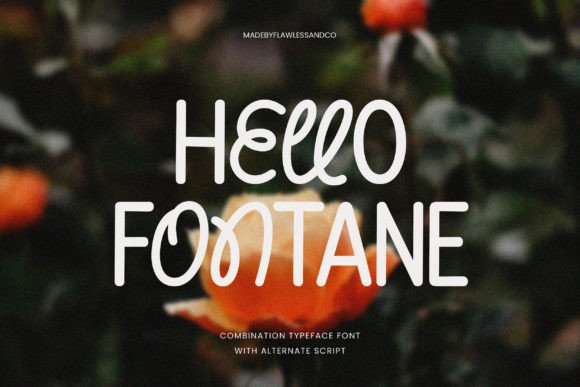
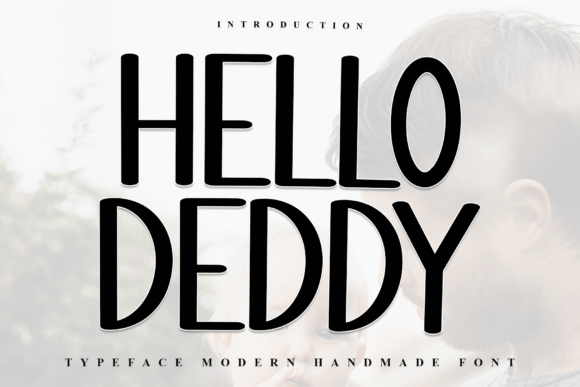
Hello Deddy stands out with its fluid strokes and organic lines, giving it an approachable yet polished feel. As a sans serif typeface, it lacks the small finishing strokes found in traditional serifs, which makes it ideal for clean, contemporary layouts. The subtle variations in stroke weight and the rounded character shapes contribute to a friendly and inviting visual tone—perfect for content that needs to be both professional and personable.
This font’s personality is refreshingly balanced between formality and warmth. It avoids the rigid look of many geometric sans serifs while maintaining enough structure to suit editorial contexts. Its openness ensures legibility on screens and paper alike, making it a strong candidate for digital publications, print magazines, and even branding assets like logos or packaging.
Applications in Editorial Design
Hello Deddy is not just another display font—it’s a thoughtful addition to your design toolkit. Here are several ways it can enhance your projects:
- Blog Headers and Subheaders: Use Hello Deddy for section titles or article headers to create a welcoming first impression without sacrificing clarity.
- Magazine Covers: The font’s modern yet soft appearance fits well with lifestyle, wellness, or travel magazines, where a relaxed and stylish vibe is key.
- Ebook Titles and Chapter Openers: Pair it with a more traditional serif font for body text to establish contrast and visual hierarchy. This pairing works especially well in recipe ebooks or self-help guides.
- Newsletter Graphics: For eye-catching call-to-action buttons or featured quote graphics, Hello Deddy adds a touch of creativity without overwhelming the reader.
- Printable Guides and Worksheets: Its clean aesthetic supports long-form reading when used at appropriate sizes and line spacing, making it suitable for educational materials or coaching workbooks.
- Publication Branding: Incorporate Hello Deddy into your logo, masthead, or brand assets to give your content a cohesive and recognizable identity.
When to Use Hello Deddy
While Hello Deddy shines in display settings, it also performs admirably in shorter runs of text. It’s particularly effective for:
- Headlines
- Subheadings
- Pull quotes
- Section headings
- Cover text
- Accent typography
For longer paragraphs, it’s best to pair Hello Deddy with a more readable serif font. This allows you to maintain a consistent visual language while ensuring comfort for readers during extended sessions.
Readability Across Formats
A good editorial font must perform consistently across various platforms and mediums. Hello Deddy excels in this area by maintaining legibility whether viewed on mobile devices, tablets, desktops, or printed pages. Its generous x-height and open apertures help keep text scannable and easy to read in PDF exports, web articles, and physical print runs.
On smaller screens, consider using lighter weights for navigation bars or captions to prevent the type from appearing too dense. In print, bolder styles can add emphasis and make headlines pop. Always test the font in different sizes and colors to ensure it aligns with your layout goals and accessibility standards.
Font Pairing Suggestions
One of the strengths of Hello Deddy lies in its ability to harmonize with other fonts. Here are some practical pairings based on common editorial use cases:
- With a Serif Font: Combine Hello Deddy with a classic serif like Georgia or Lora for a balanced contrast in blog layouts or ebook interiors.
- With a Clean Sans Serif: Use Hello Deddy as a headline font and pair it with something minimalist like Roboto or Helvetica Neue for body text or footnotes.
- With a Script or Handwritten Font: Add a decorative script beside Hello Deddy for signature blocks or special features—this can give your designs a personal, curated touch.
Always ensure the contrast between fonts is clear enough to guide the reader through the content without confusion. Hello Deddy’s warm and approachable nature makes it an excellent base for these combinations.
Practical Use Cases for Hello Deddy
To better understand how Hello Deddy can fit into your workflow, let’s explore a few real-world examples:
- Lifestyle Blog: Use Hello Deddy for post titles and category labels to create a fresh, modern look that appeals to a broad audience.
- Recipe Ebook: Apply Hello Deddy to chapter titles and ingredient lists. When paired with a monospace font for measurements, it enhances both style and usability.
- Wedding Guide or Planner: The font’s elegant simplicity works beautifully for cover titles, event names, and section headers, offering a romantic yet modern aesthetic.
- Coaching Workbook: Employ Hello Deddy for prompts and headings to encourage engagement while maintaining a supportive, easy-on-the-eye format.
- Digital Magazine Layout: Use it for issue titles, sidebar headings, or pull-out quotes to add visual interest without distracting from the content.
- Printable Planner or Lead Magnet: Its structured yet friendly curves are great for dates, headings, and motivational messages in daily planners or free downloadables.
- Creator Newsletter: Feature Hello Deddy in subject lines or hero sections to stand out in crowded inboxes while keeping the tone inviting and authentic.
Multilingual Support and Style Options
For international publications or multilingual content, Hello Deddy includes support for a wide range of languages. This makes it a reliable choice for global audiences or niche communities that require non-English characters.
The font family likely includes multiple weights and styles—such as regular, bold, italic, and perhaps condensed versions—to allow for flexibility in design. These options enable you to build a typographic system that adapts to the needs of each page or section, reinforcing your publication’s brand identity through consistency.
Commercial Licensing and Practical Considerations
If you plan to use Hello Deddy in commercial editorial projects, it’s essential to verify the licensing terms. Many premium fonts offer rights for use in ebooks, paid newsletters, client-facing publications, and digital downloads—but specifics vary. Ensure the license covers all intended applications, including web-based content, print, and social media graphics.
When creating templates or design assets with Hello Deddy, always embed the font correctly or provide instructions for users who may need to install it separately. This helps maintain the visual integrity of your work across different devices and platforms.
Building a Visual Hierarchy with Hello Deddy
Editorial design relies heavily on visual hierarchy to guide the reader through complex layouts. Hello Deddy contributes effectively by allowing designers to emphasize important elements without overcomplicating the overall composition. Its natural rhythm supports the flow of information, making it easier for readers to distinguish between headlines, subheads, and supporting text.
Use Hello Deddy sparingly in body copy and reserve it for strategic points where attention is needed—like lead magnets, worksheets, or infographic titles. By doing so, you can maintain a strong focal point while preserving the readability of your main content.
Why Hello Deddy Belongs in Your Toolkit
Fonts are more than just stylistic choices—they shape the reader's experience. Hello Deddy offers a fresh take on the sans serif category, bringing a sense of ease and sophistication to your editorial work. It’s a font that understands the balance between function and expression, making it suitable for a wide array of publishing needs.
From the initial concept of a digital magazine to the final touches on a wedding planner template, Hello Deddy provides a consistent visual anchor. It’s the kind of font that doesn’t demand attention but earns it through subtlety and charm. And in editorial design, that can be just as powerful as a bold statement.
Whether you’re crafting content for a small newsletter or a large-scale print publication, Hello Deddy has the potential to enhance your message and improve reader engagement. Explore its possibilities and see how it can bring a new dimension to your next design project.