Regency Typeface: Elevating Handmade Brand Identity
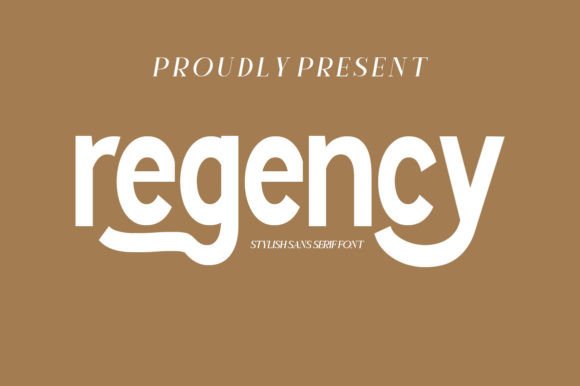
As a creator who spends hours designing labels, cutting vinyl for signs, and laying out printable stationery, I know that the right typeface can make or break a product. It is not just about readability; it is about the feeling you evoke in your customer before they even touch the item. This is where Regency, a sleek sans serif font with a contemporary feel, becomes an indispensable tool in my design workflow. Whether I am crafting boutique tags for handmade jewelry or designing modern wedding invitations, Regency offers the stylish character and clean lines needed to elevate a project from simple to sophisticated.
Why Regency Fits the Modern Maker’s Aesthetic
In the world of handmade goods and digital downloads, trends shift quickly. However, there is always a demand for typography that feels timeless yet fresh. Regency captures this balance perfectly. Its sans serif structure provides a minimalist foundation that allows other design elements—like illustrations, textures, or color palettes—to shine without competition. The font’s name suggests elegance and tradition, but its visual execution is distinctly modern. This duality makes it incredibly versatile for small business owners who want their brand identity to look professional and high-end.
When I use Regency, I am often aiming for a "quiet luxury" vibe. It works beautifully for brands that focus on natural materials, such as wooden home decor, organic skincare, or linen apparel. The sleek lines of the letters convey precision and care, qualities that customers associate with quality craftsmanship. Unlike overly decorative fonts that can feel cluttered or difficult to read at small sizes, Regency maintains clarity. This makes it an ideal choice for product packaging where space is limited, or for social media graphics where text needs to be legible on mobile screens.
Practical Applications for Crafters and Sellers
The true value of a font like Regency lies in its application across various physical and digital products. Here is how I integrate it into my daily creative process:
- Product Labels and Stickers: For candle jars, soap bars, or honey bottles, clear and elegant labeling is crucial. Regency’s clean geometry ensures that ingredient lists, weight, and branding details are easy to scan. When used for short phrases like "Handcrafted" or "With Love," it adds a touch of refinement that justifies a premium price point.
- Wedding and Event Stationery: While many designers reach for script fonts for weddings, a sans serif font like Regency offers a chic, modern alternative. It is perfect for save-the-dates, menus, and place cards. Pairing Regency with a delicate floral illustration creates a stunning contrast between the structured text and organic imagery.
- Cricut and Silhouette Projects: For those using cutting machines to create vinyl decals for mugs, tumblers, or wall art, Regency cuts cleanly. The uniform stroke width reduces the risk of tearing during weeding, especially when creating intricate monograms or layered designs. It looks sharp on both light and dark substrates.
- Digital Printables and Planners: In the realm of digital downloads, usability is key. Regency serves as an excellent header font for printable planners, journals, and habit trackers. Its contemporary feel keeps the layout looking organized and uncluttered, which helps users stay focused and productive.
- Seasonal and Holiday Designs: Despite its modern look, Regency adapts well to seasonal themes. By changing colors and adding festive icons, you can use it for Christmas ornaments, Easter egg tags, or Halloween party signs. Its neutrality allows it to blend seamlessly into any color scheme.
Enhancing Readability and Commercial Appeal
One of the most common mistakes new sellers make is choosing fonts that are too ornate for practical use. While decorative fonts have their place, they often sacrifice readability. Regency strikes a perfect balance. It is attractive enough to serve as a headline or display font, yet functional enough for subheadings or body text in smaller formats. This versatility means you can use one font family to maintain brand consistency across different product lines.
From a commercial perspective, using a recognized, high-quality sans serif font signals professionalism. Customers subconsciously associate good typography with good product quality. When a buyer sees a neatly designed label with a font like Regency, they perceive the item as more valuable. This is particularly important for Etsy sellers and shop owners competing in crowded markets. A strong brand identity, built on consistent and appealing typography, helps build customer recognition and trust.
Font Pairing Strategies for Creative Projects
No designer works with a single font in isolation. To maximize the impact of Regency, it is essential to pair it effectively with complementary typefaces. Since Regency is a clean sans serif, it pairs beautifully with fonts that offer contrast.
Script and Handwritten Fonts: Combining Regency with a flowing script font creates a dynamic mix of modern and personal. Use Regency for the main title or brand name to establish stability, and then layer a handwritten font for accents, signatures, or secondary details. This combination is popular in greeting cards, gift tags, and artisan food packaging.
Bold Display and Simple Serifs: For a more editorial look, pair Regency with a bold display font for large headlines, while using a simple serif font for body text. This approach works well for magazine-style layouts, book covers, or long-form printable guides. The contrast between the geometric sans serif and the traditional serif adds depth and visual interest to the design.
Technical Considerations and Licensing
Before incorporating Regency into your projects, it is important to review the specific features included in the font package. Check for available styles, such as regular, bold, or italic variants, which allow for greater hierarchy in your designs. Look for special characters, ligatures, or swashes if you plan to create decorative lettering. Additionally, verify multilingual support if you intend to sell products internationally, ensuring that accented characters render correctly.
File format compatibility is another crucial factor. Ensure the font includes standard formats like .ttf or .otf, which are widely supported by design software such as Adobe Illustrator, Photoshop, Canva, and Cricut Design Space. This flexibility allows you to work across different platforms without technical hurdles.
Finally, always pay close attention to the licensing terms. If you are selling physical products made with Regency, such as printed shirts, mugs, or stickers, you typically need a commercial license. Some fonts require separate licenses for digital downloads, templates, or client work. Understanding these distinctions protects your business from legal issues and ensures that you are ethically supporting the type designer. Investing in proper licensing is a small cost compared to the peace of mind it provides when scaling your handmade business.
In summary, Regency is more than just a collection of letters; it is a design asset that enhances the perceived value of your creations. Its sleek, contemporary aesthetic makes it suitable for a wide range of applications, from intimate wedding stationery to bold commercial branding. By integrating Regency into your toolkit, you equip yourself with a reliable, stylish, and commercially viable solution for bringing your creative visions to life.